A long summer of barbecues, football and dry spells can leave a lawn looking tired, thin and patchy by September. The good news is that autumn is the best time of year to put it right. With warm soil, more reliable rain and less heat stress, grass recovers quickly. A bit of autumn lawn care now means a thicker, greener lawn next spring with fewer weeds and less moss.
You don’t need to do every job on this list. Pick the ones your lawn needs most, and do them in roughly the order below for the best results.
Why lawn care in autumn matters
In autumn the soil is still warm from summer, so grass roots keep growing even as top growth slows. Rain is more frequent, so new seed and repairs establish without daily watering. And weed seeds are far less active than in spring, which gives your grass a head start.
Lawn care in autumn is also about preparing for winter. Clearing out thatch and moss, relieving compaction and giving the right feed helps grass cope with waterlogging, frost and the low light of the darker months. If you only do a few lawn jobs a year, make them these.
Your autumn lawn care timetable
Timing is everything. Most of the heavy work is best done in September and early October while the grass is still growing strongly. By November you’re mainly clearing leaves and keeping off the grass when it’s frosty.
| Month | Main jobs | Notes |
|---|---|---|
| September | Scarify, aerate, overseed, apply autumn lawn feed | Best window for renovation while soil is warm and moist |
| October | Finish overseeding, top dress, rake leaves, raise mower height | Get seed down by mid October in colder areas |
| November | Clear leaves, final mow if growing, brush off worm casts | Avoid walking on frosted or waterlogged grass |
| December to February | Keep off when frozen or soggy, service the mower | Plan spring jobs and order seed or feed |
Our garden jobs this month round-up flags these tasks as the season moves on, alongside everything else that needs doing in the garden.
Scarifying in autumn
Thatch is the layer of dead grass, moss and debris that builds up between the blades and the soil. A little is fine, but a thick layer stops water, air and feed reaching the roots. Scarifying in autumn rakes it out so the grass can breathe and new seed can reach the soil.
On a small lawn a sturdy spring-tine rake does the job, though it’s hard work. For anything bigger, an electric scarifier or lawn raker saves a lot of effort. Mow the lawn short first, then scarify in one direction and again at right angles. Expect it to look awful afterwards; that’s normal, and it recovers within a few weeks.
If you’ve treated moss, wait until it has turned black (usually around two weeks) before raking it out, so you don’t spread live spores around. Skip scarifying on a lawn sown in the last year, or if the ground is bone dry.

Hyundai 36cm 1600W Electric Lawn Scarifier & Aerator
Handy if you want to scarify and aerate with one machine, though a mid-sized lawn is where it really earns its keep.
£87.99 Shop Now
Top tip: Always plug mains-powered lawn tools into an RCD, keep the cable behind you as you work, and unplug before clearing a blockage. Sturdy shoes and eye protection are sensible too.
Aerate and top dress
Lawns that get a lot of foot traffic become compacted, which leads to puddles, moss and thin grass. Aerating opens up the soil. You can push a garden fork into the lawn every 10 to 15cm and wiggle it back and forth, or use a hollow-tine aerator that pulls out small plugs of soil for better results on heavy clay.
Afterwards, brush a top dressing into the holes. A sandy loam mix suits most lawns, and on heavy soil extra sand helps drainage. Top dressing also levels out small dips and gives grass seed a good bed to germinate in. You’ll find forks and other kit in our garden tools section.
Overseeding thin and bare patches
September is perfect for overseeding, when the soil is warm and damp. After scarifying and aerating, scatter grass seed over thin areas at the rate on the box, rake it in lightly and keep it moist until it’s growing. Birds love fresh seed, so a light covering of top dressing helps hide it.
Choose seed to suit how you use the lawn. A hardwearing mix copes well with children and pets, while finer mixes give a smarter look but need more care. In northern and upland areas it’s best to get seed down by early October, before the soil cools too much.

Pronto Seed Premium Grass Seeds 1.4kg
A sensible all-rounder for patching bare areas after scarifying, but keep it watered in dry spells until it establishes.
£13.99 Shop Now
Choosing an autumn lawn feed
An autumn lawn feed is different from the spring and summer stuff. It’s lower in nitrogen, so it doesn’t push soft, leafy growth that’s prone to disease over winter, and richer in potassium and phosphorus to strengthen roots and hardiness. Many also include iron to darken the grass and tackle moss.
Apply it in September or October, ideally when rain is forecast or water it in, and follow the rate on the pack carefully. Too much can scorch the grass. If you’ve just overseeded, check the label, as some products with moss killer shouldn’t go on new seed. Never use spring feed in autumn. Browse more options in our feeds and fertilisers range.

Miracle-Gro Autumn Lawn Care, Lawn Food & Moss Control, 80 m2
Good for small to medium lawns that need a feed and a moss knock-back in one go, though larger lawns will want the bigger pack.
£13.25 Shop Now
Leaves, mowing and winter care
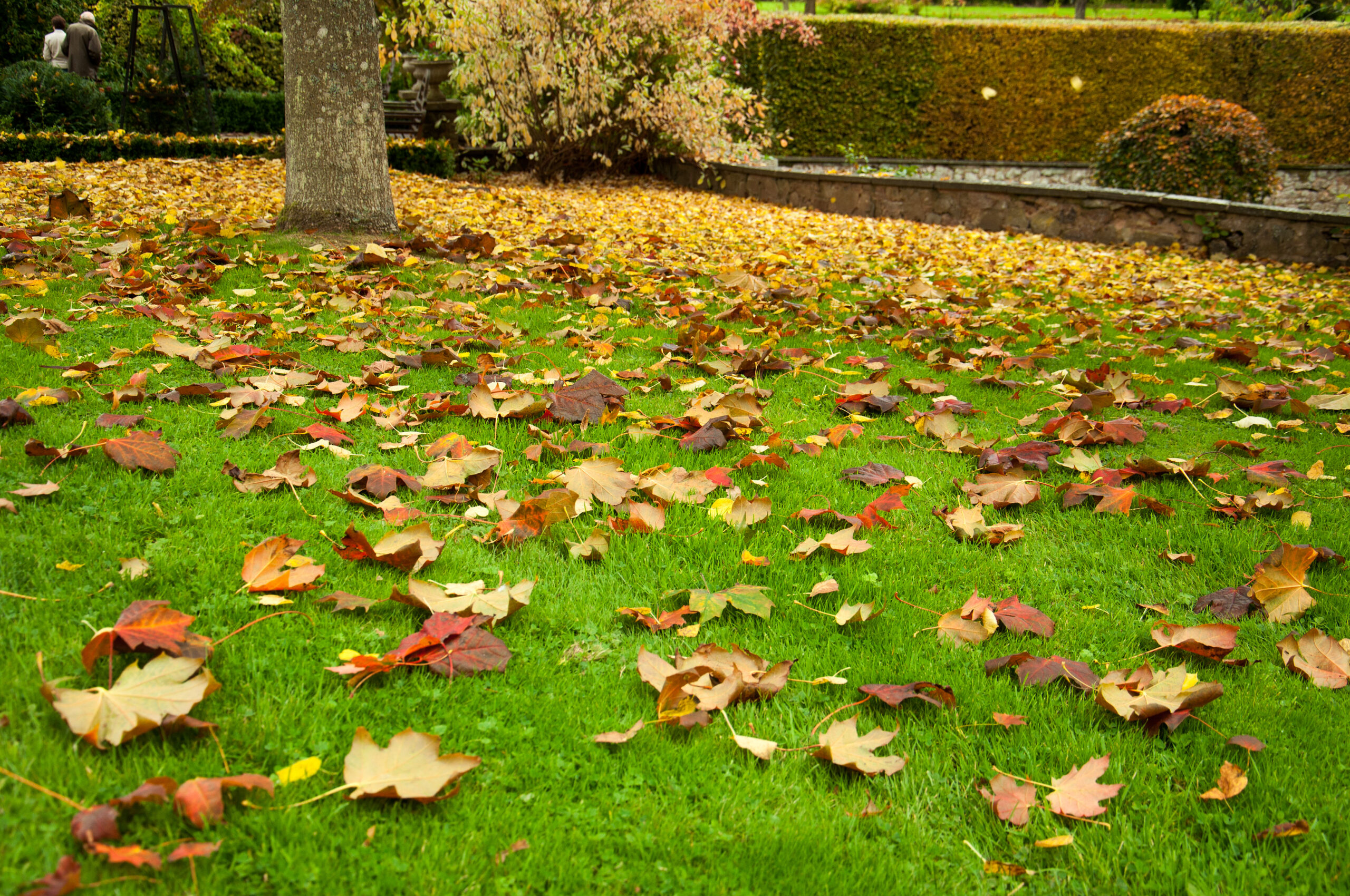
Fallen leaves block light and trap moisture, which can leave yellow patches and encourage disease. Rake them off regularly rather than leaving one big job. A wide leaf rake makes short work of it, and the leaves can go into a leaf mould bin or compost heap.
Keep mowing while the grass is growing, but raise the blades so you’re not cutting too short. A slightly longer lawn copes better with winter. Brush off worm casts on dry days before mowing so they don’t get smeared. And once the frosts arrive, try to keep off the grass; walking on frozen blades damages them and leaves dark footprints that can last for weeks.
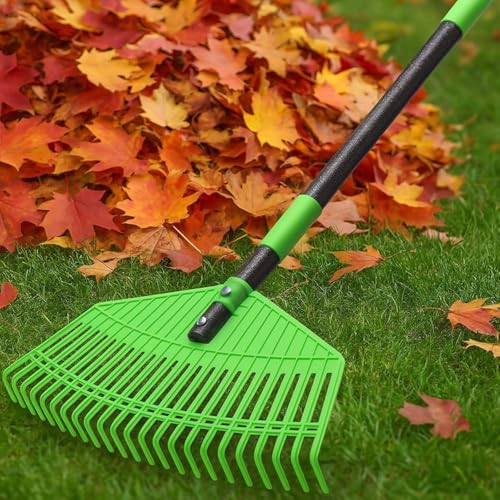
Leaf Rake, 42cm Wide with Adjustable Handle
The adjustable handle and wide head make leaf clearing quicker, though it’s not designed for heavy scarifying.
£14.99 Shop Now
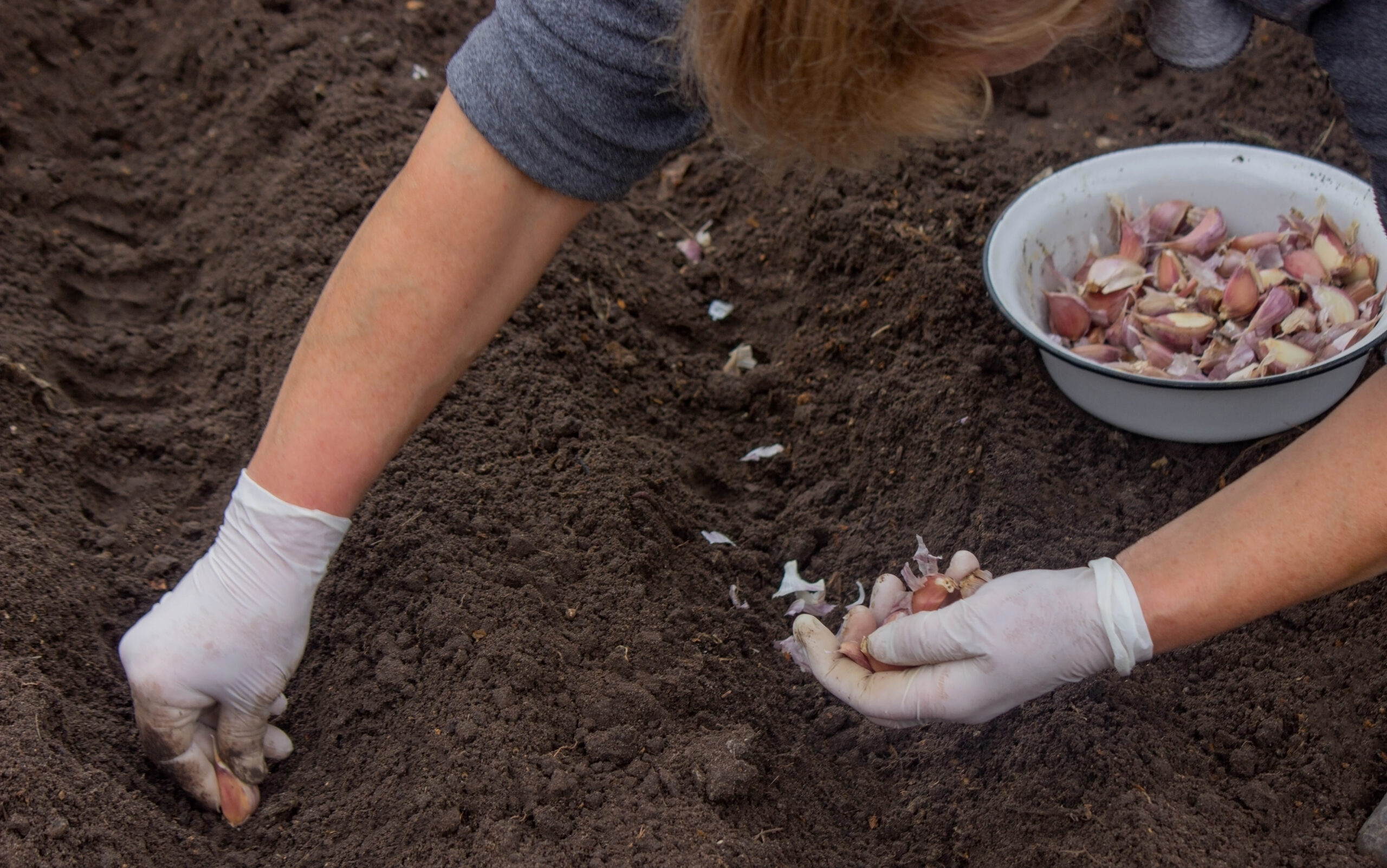
If you’re making the most of the season elsewhere in the garden, autumn is also when you plant garlic and spring bulbs. And for the full range of mowers, feeds and rakes, head to our lawn care section.
Frequently asked questions
When should I stop mowing my lawn in autumn?
Keep mowing as long as the grass is growing, which in mild parts of the UK can be into November or even later. Raise the cutting height for the last few cuts and only mow when the grass is dry.
Should I scarify or aerate first?
Scarify first to remove thatch and moss, then aerate, then overseed and top dress. That order gives seed the best contact with the soil.
Can I use spring lawn feed in autumn?
It’s best not to. Spring feeds are high in nitrogen, which encourages soft growth that’s vulnerable to disease and frost damage. Use a dedicated autumn lawn feed instead.
Is it too late to sow grass seed in October?
In southern and milder areas you can usually sow until mid October. In colder regions, early October is the safe limit. Later sowings often germinate patchily and are best held back until spring.
Should I leave leaves on the lawn over winter?
No. A layer of leaves blocks light and holds moisture, which can kill patches of grass. Rake them off regularly and turn them into leaf mould.