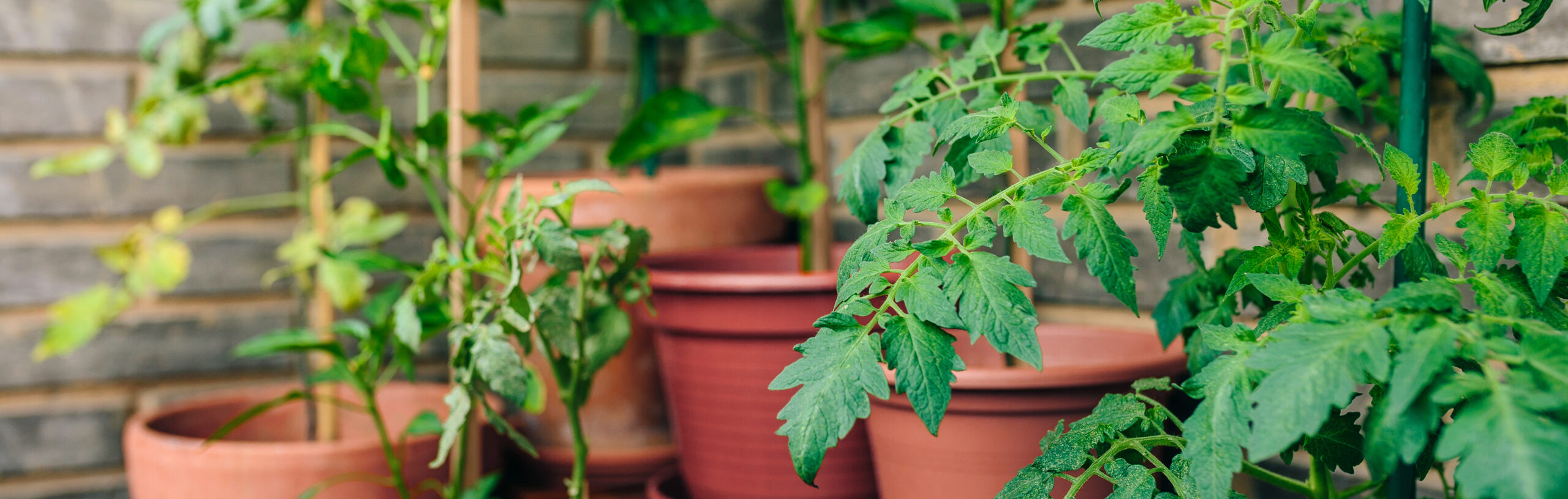
You don’t need a greenhouse or allotment to grow your own tomatoes. A sunny patio, balcony or doorstep and a few decent-sized pots are all it takes. Containers are one of the most rewarding ways to start growing your own food, and nothing in the shops tastes as good as a tomato picked warm off the plant. Here’s everything you need to know, from sowing seeds to picking your first ripe fruit.
Are tomatoes good in pots?
Yes, tomatoes are one of the best crops for containers. They’re naturally suited to warm, sheltered spots like a patio against a sunny wall, and growing them in pots lets you move them into the best position. You also avoid soil-borne diseases that can build up in garden beds. The trade-off is that a tomato plant in a pot relies on you for all its water and food, so regular care makes all the difference.
What you need to grow tomatoes at home
- Tomato seeds or young plants
- Small pots or seed trays and seed compost for sowing
- A warm windowsill or propagator
- Final pots at least 30cm (12 inches) wide and deep, or grow bags
- Peat-free multi-purpose compost
- Canes and soft string for cordon varieties
- A watering can and a high-potash tomato feed
Choose the right tomato variety
Tomato varieties come in two main types, and it matters which you choose for pots:
- Bush (determinate) tomatoes stay compact and don’t need side shoots removed. They’re perfect for pots and hanging baskets. Try ‘Tumbling Tom’, ‘Tiny Tim’ or ‘Red Robin’.
- Cordon (indeterminate) tomatoes grow tall on a single stem and need a cane and regular pinching out. ‘Gardener’s Delight’ and ‘Moneymaker’ are reliable in large pots.
Which tomato varieties thrive the most in pots?
Cherry tomatoes are the easiest and most productive in containers, because the small fruits ripen quickly even in a so-so British summer. ‘Gardener’s Delight’ and ‘Sungold’ are popular cordon cherries, while ‘Tumbling Tom’ trails nicely over the edge of a pot or basket. If blight is a problem in your area, ‘Crimson Crush’ was bred for good blight resistance.

Tomato Seed Pack 6-in-1
A six-variety tomato seed pack including Gardener’s Delight, Moneymaker and Roma.
£6.99 Shop Now
When is the best time to plant tomatoes?
Sow tomato seeds indoors from late February to April, and plant them outside from late May or early June once the risk of frost has passed. Tomatoes are tender and need warmth: they sulk when night temperatures drop below about 10°C, so there’s no advantage in rushing them out.
Seed starting indoors
Sow seeds thinly in small pots or seed trays of seed compost, cover lightly and keep them somewhere warm, around 18 to 21°C. A heated propagator or a warm windowsill both work. Seedlings usually appear within a week or two. Give them as much light as possible so they don’t get leggy, and turn windowsill pots every day.
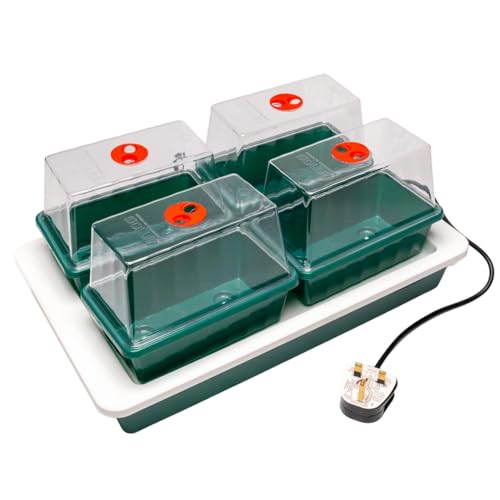
AMOS Eezy Grow 4 Propagator
A compact propagator that keeps seed trays warm for quicker, more even germination.
£26.34 Shop Now
Potting on seedlings
When each seedling has its first pair of true leaves, transplant it into its own 7 to 9cm pot. Hold seedlings by a leaf, not the stem, which is easily crushed. Pot them on again into their final containers in May, once they’re 15 to 20cm tall.
What size pot do tomatoes need?
| Tomato type | Minimum pot size |
|---|---|
| Bush / tumbling | 20 to 25cm (or a hanging basket) |
| Cordon | 30cm wide and deep, around 15 to 20 litres |
| Grow bag | 2 to 3 plants per bag |
Bigger is better. A large container holds more water and food, so plants are less likely to dry out, which is the main cause of split fruit and blossom end rot. Whatever plant pot you use, make sure it has drainage holes. See our large plant pots.
Can you use potting soil for tomatoes in containers?
Use a good quality peat-free multi-purpose compost (sold as potting mix or potting soil in the US), not soil dug from the garden. Garden soil compacts in pots, drains poorly and can carry pests and disease. For tall cordon varieties, mixing in some loam-based compost adds weight, which stops pots blowing over, and holds nutrients for longer.
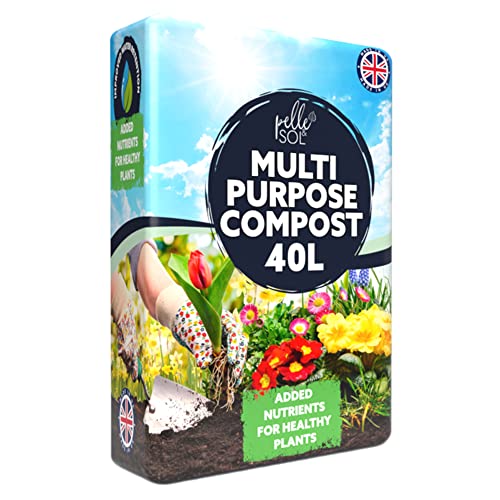
Pelle & Sol 40L Multi Purpose Compost
A 40-litre bag of multi-purpose compost, enough for two or three large tomato pots.
£8.07 Shop Now
How to plant tomato seedlings outdoors
Before planting out, harden plants off over a week to ten days: put them outside during the day and bring them in at night, gradually leaving them out for longer. Then plant each tomato slightly deeper than it was in its pot, because tomatoes grow extra roots from the buried stem, which gives a stronger root system. Push a sturdy cane in beside cordon varieties at planting time and tie the stem in loosely as it grows.
Do potted tomatoes thrive in direct sunlight?
Yes. Tomatoes need full sun, ideally at least six to eight hours of direct sunlight a day, to ripen well. A south or west-facing wall is perfect, as it also radiates warmth in the evening. In a shady spot, plants grow but give few ripe fruits.
Watering and feeding
Water regularly and consistently. Little and often is better than a flood once a week, and in hot weather pots may need watering every day, sometimes twice. Water the compost, not the leaves, and do it in the morning when you can. Once the first flowers appear, feed weekly with a high-potash tomato feed to boost flowers and fruit.

Levington Tomorite Concentrated Plant Food, 2.5 L, Red
Tomorite, the go-to tomato feed for many UK growers.
£11.00 Shop Now
Which fertiliser increases tomato size?
A high-potash liquid tomato feed helps plants produce more flowers and better-quality fruit. Steady watering matters just as much: plants that dry out regularly give smaller fruits. Avoid feeds high in nitrogen once plants are flowering, as they encourage leaves at the expense of fruit. In the end, fruit size mostly comes down to the variety you grow.
Pinching out and pruning
On cordon tomatoes, snap off the small side shoots that grow in the angle between the main stem and the leaf stalks. This focuses the plant’s energy and growth on fruit. Once a cordon plant has five or six trusses of flowers, pinch out the top so the existing fruit has time to ripen before autumn. Bush varieties don’t need this.
Should you cut the bottom leaves off your tomato plants?
Yes, it helps. As plants grow, remove the lowest leaves, especially any that are yellowing or touching the compost. This improves air flow and reduces the risk of disease splashing up from below. Later in summer, taking off a few leaves below ripening trusses lets in more light, but don’t strip the plant: the leaves are what feed the fruit.
What should never be planted near tomatoes?
Keep tomatoes away from potatoes, which are in the same family and share blight, so one can quickly infect the other. Fennel is also commonly kept apart from tomatoes. Good neighbours include basil and French marigolds, which many growers plant alongside to help deter whitefly.
Tips for growing tomatoes in pots
- Group pots together so they shade each other’s roots and dry out less quickly.
- Stand pots on saucers in high summer, but empty them after an hour so roots don’t sit in water.
- Watch for blight in wet late summers: remove any leaves with brown patches straight away.
- Keep watering even, as irregular watering causes split fruit and blossom end rot.
Harvesting
Pick tomatoes when they’re fully coloured and come away easily from the stalk. Regular picking encourages more fruit to ripen. At the end of the season, green tomatoes will ripen indoors on a sunny windowsill or in a drawer with a banana.
Find seeds, compost and grow bags in our grow your own range.
Frequently asked questions
How many tomato plants can I grow in one pot?
One per pot for cordon tomatoes. A large pot or grow bag can hold two or three bush varieties.
How often should I water tomatoes in pots?
Daily in warm weather, aiming to keep the compost evenly moist rather than letting it dry out and then soaking it.
Why are my tomatoes splitting?
Usually irregular watering. A sudden drink after the compost dries out makes the fruit swell and split.
What is the required depth for containers when growing tomatoes?
At least 30cm (12 inches) deep for cordon tomatoes, and 20 to 25cm for compact bush types.
What is the best tomato for pots?
Bush types such as ‘Tumbling Tom’ and ‘Tiny Tim’ for small pots, and ‘Gardener’s Delight’ for larger pots with a cane.