November can feel like the garden is shutting up shop, but there’s still plenty of gardening to do on dry, bright days. The soil is usually still workable, which makes this a great month for planting bulbs, trees and shrubs, and for getting everything ready for the cold. Here’s our list of garden jobs for November, roughly in order of priority.
1. Plant tulip bulbs
November is the best month to plant tulips. Cooler soil can help prevent tulip fire, a fungal disease that can spoil the display. Plant them about 15 to 20cm deep, roughly three times the height of the bulb, pointy end up. They look best in groups of at least nine to fifteen, or packed into pots. Our guide on how to plant tulip bulbs walks you through it step by step.

Triumph Tulip Mixed Bulbs x 50
Fifty mixed Triumph tulips for big, bold drifts of colour in April and May.
£19.95 Shop Now
If you haven’t got your daffodils, crocus or alliums in yet, plant them now too. They’ll still flower, just a little later than usual. Browse our spring bulbs for ideas.
2. Prune roses to stop wind rock
Tall bush roses can be rocked by winter gales, which loosens the roots. Cut long stems back by about a third now to reduce wind rock, then do the main prune in late February or March. Clear up fallen rose leaves too, especially if your roses had black spot this year, so the disease doesn’t overwinter.

Spear & Jackson 7159BS Razorsharp Advantage Bypass Secateurs
A sharp, comfortable pair of bypass secateurs for clean cuts on living stems.
£8.95 Shop Now
3. Rake leaves off the lawn
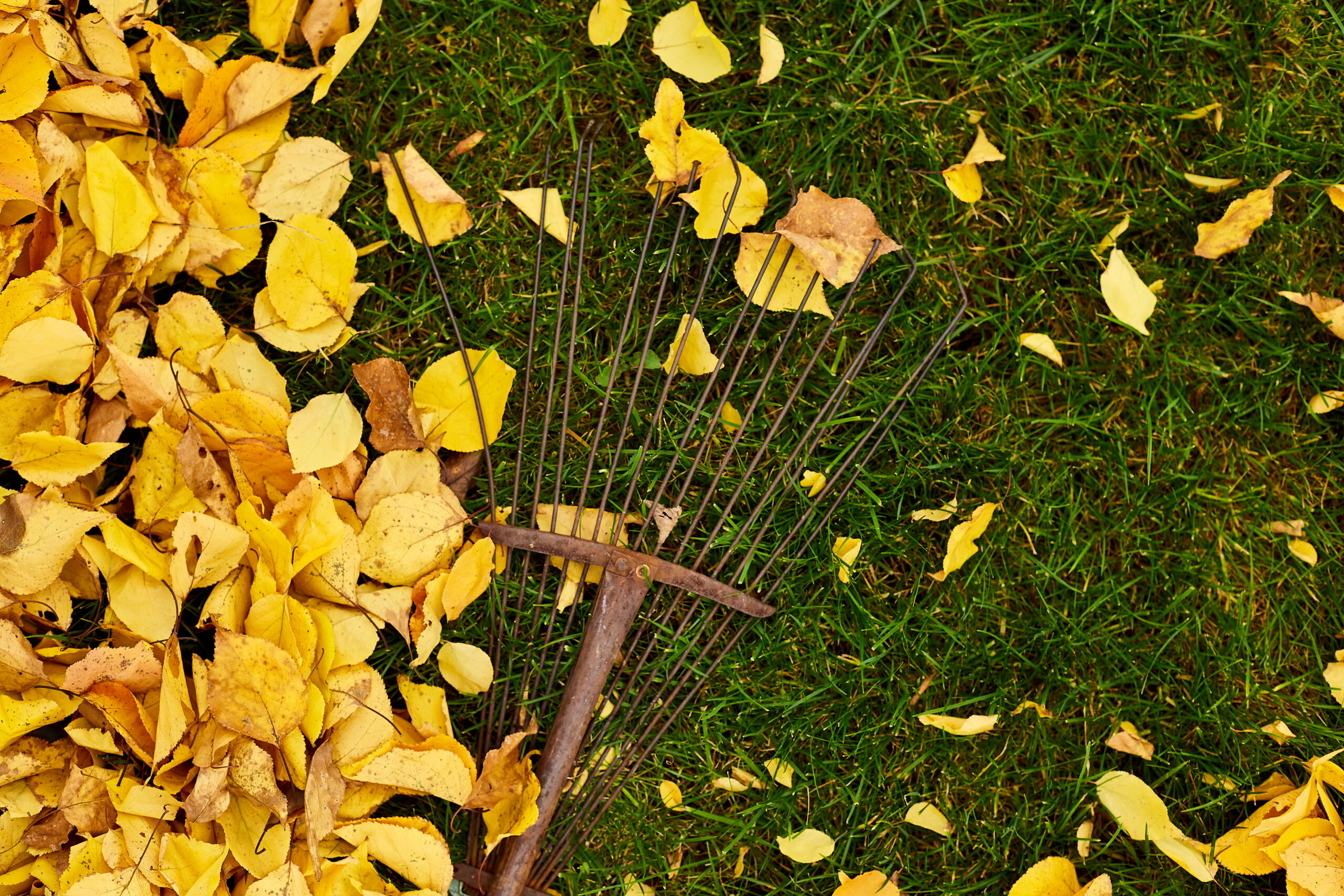
Fallen leaves block light and trap moisture, leaving yellow patches and encouraging moss. Rake them up once a week while they’re falling. Don’t throw them away: pile them into a wire cage or stuff them into bin bags with a few holes punched in, and in a year or two you’ll have crumbly leaf mould, one of the best free soil improvers there is.

Leaf Rake, 42cm Wide with Adjustable Handle
A wide leaf rake with an adjustable handle that makes light work of autumn leaves.
£14.99 Shop Now
4. Give the lawn its last cut
If the weather stays mild, grass keeps growing. Give it a final trim on a dry day with the mower blades set higher than in summer, then clean the mower and put it away for winter. Keep off frosty or waterlogged lawns too, as footprints damage the grass.
5. Plant trees, shrubs and roses
Autumn is ideal for planting shrubs, fruit trees and roses. The soil is still warm enough for roots to grow, and winter rain does the watering for you. November is also the start of the bare-root season, when trees, hedging and roses are cheapest.
6. Mulch borders and check stakes
Once you’ve cleared fallen leaves from your borders, spread a 5cm layer of mulch over bare soil around shrubs and perennials, or top up last year’s. Garden compost, well-rotted manure or bark all work well, and peat-free compost bags are fine too. A layer of organic material like this keeps the roots a little warmer when temperatures drop, holds moisture and slowly improves the ground as worms pull it in. There’s no need to feed borders now; save that for spring when growth starts again. While you’re there, check the stake and tree tie on any young trees and climbers, loosening a tie that’s cutting into the bark and firming in anything rocked loose by the wind.
7. Protect pots and tender plants
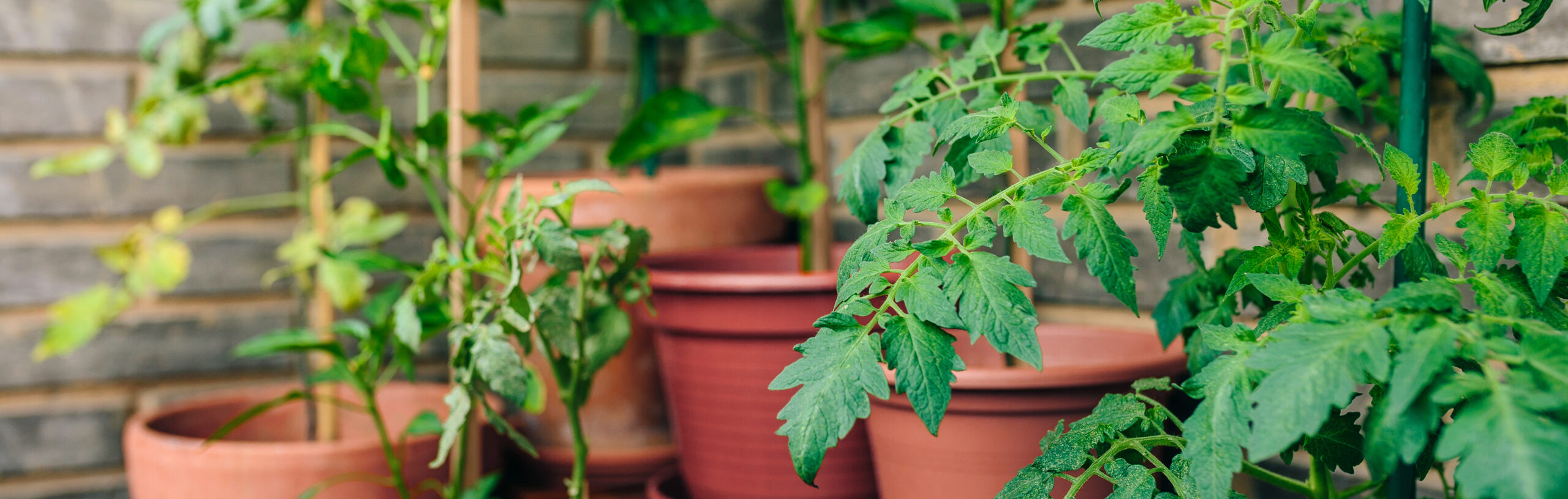
Move pots of tender plants such as pelargoniums, fuchsias and citrus into a greenhouse, porch or a bright frost-free place indoors. Raise outdoor pots onto pot feet so they drain freely and don’t sit in water, which can crack terracotta when it freezes. Pots that are too big to move will be happier grouped together in a sheltered spot against a wall, and a wrap of hessian or bubble wrap helps too.
8. Plant winter bedding
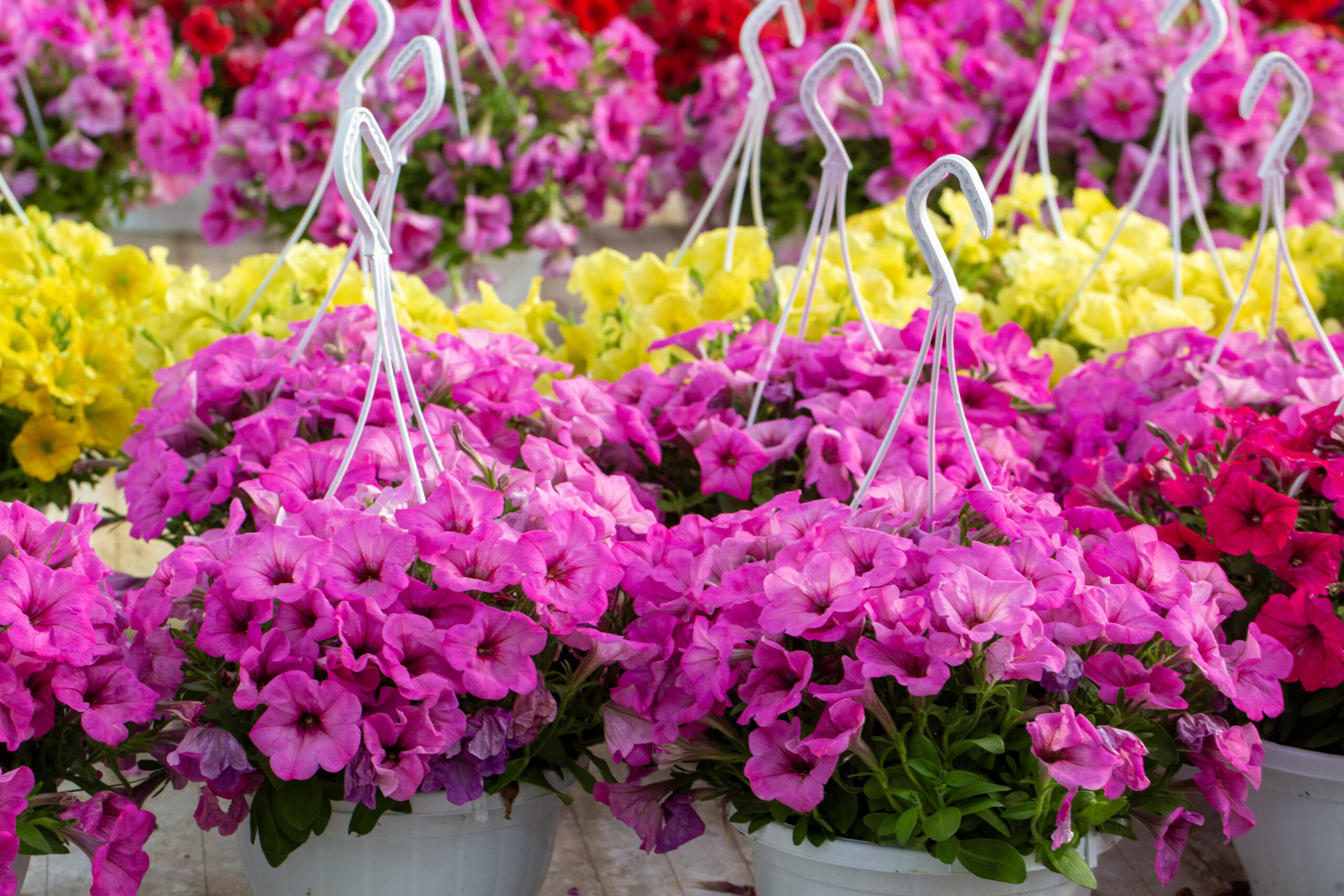
There’s still time to brighten containers with winter pansies, violas, cyclamen and primroses. They’ll flower on and off through mild spells and give a big show in early spring. Have a look at our bedding plants.

Jumbo Winter Flowering Pansies Mix
Garden-ready winter pansies for pots, baskets and window boxes.
£20.99 Shop Now
9. Clean and store your tools
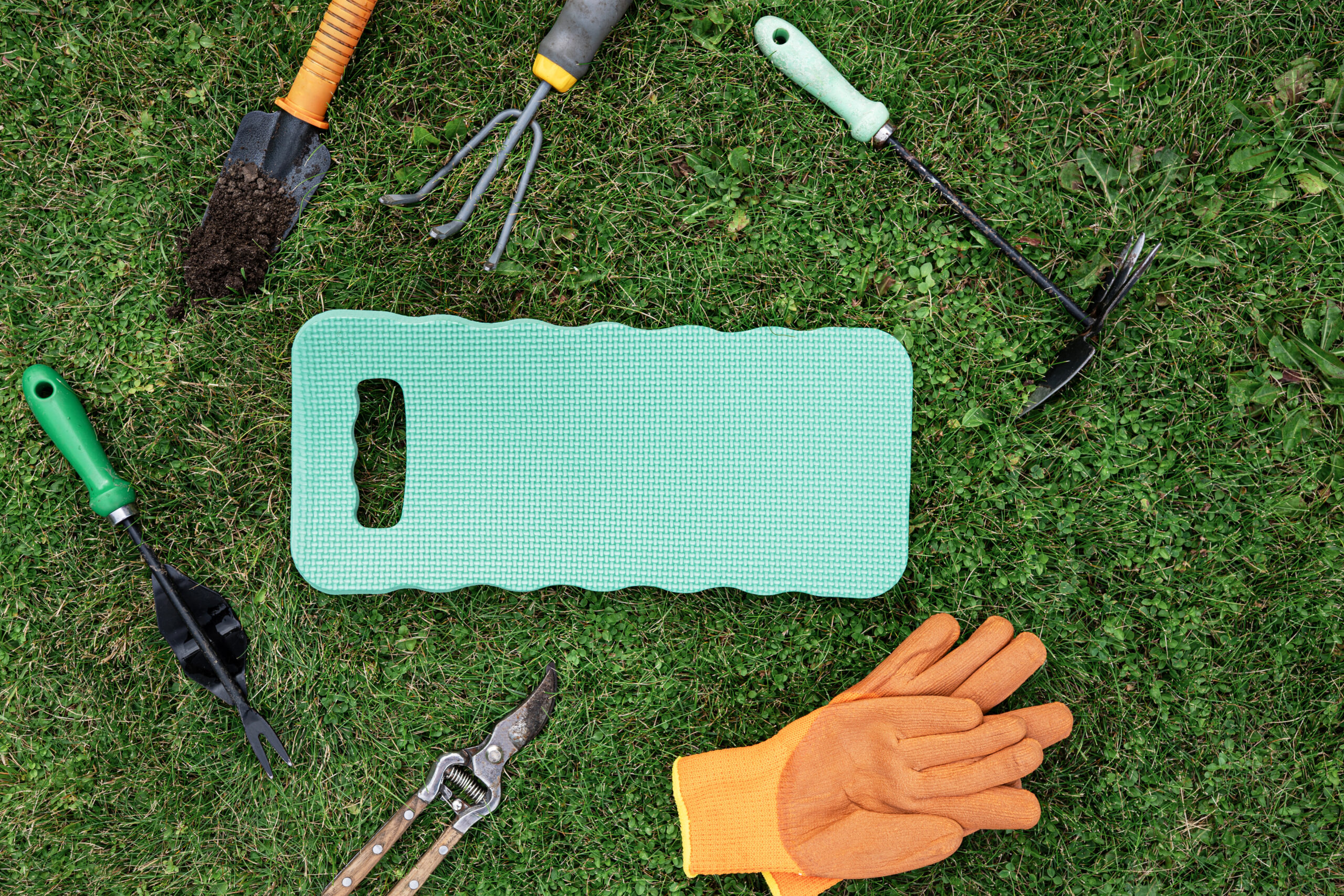
Before you hang up your tools until spring, clean off the mud, dry them and wipe metal parts with an oily rag to stop rust. Sharpen secateurs and shears now so they’re ready for spring pruning. If any tools have given up, the January sales are a good time to replace them; see our pick of garden tools.
Garden jobs in November: where to start
Short on time? If you only get one free afternoon this month, plant the tulips and rake the lawn. Everything else on the list can wait for the next dry day.
Frequently asked questions
Is it too late to plant bulbs in November?
No. November is perfect for tulips, and most other spring bulbs will still flower if planted now, just slightly later.
What should I be doing in the garden in autumn?
Autumn is all about planting and tidying. Get spring bulbs, shrubs and bare-root trees in the ground, rake up leaves, mulch borders, and move tender plants somewhere frost-free before the first hard frosts.
What plants should you not cut back for winter?
Leave ornamental grasses, sedums, echinacea and other perennials with sturdy seed heads standing. They look great with frost on them, shelter insects and give birds food over winter. Cut back anything that’s gone mushy. Penstemons and other slightly tender plants are also best left until spring, as the old growth gives them some cover.
What vegetables can I plant in November?
Garlic, broad beans such as ‘Aquadulce Claudia’ and onion sets for overwintering can all go in during November. You can also sow sweet peas in deep pots in a cold frame or unheated greenhouse for earlier flowers next summer.