Plant Feed & Compost
All-purpose plant food, tomato feed, slow-release fertiliser and multi-purpose compost for bigger, healthier plants.

-

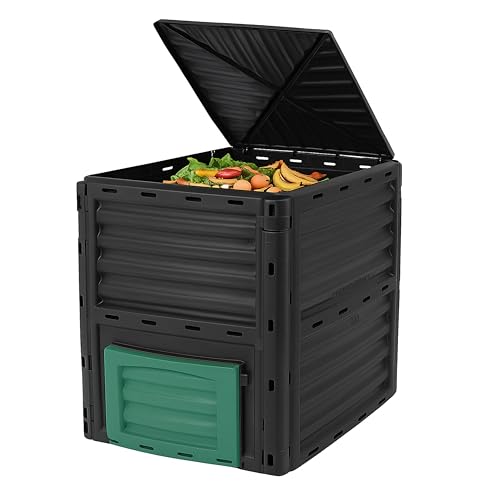
4smile 300 Litre Garden Composter Bin Composting Waste Box Recycling
£29.25 -
Blooming Fast Superior Soluble Fertiliser
£4.99 -
CB FUELS 2 X 60L GROWMOOR MULTI-PURPOSE COMPOST
£21.64 -
DIVCHI 300L Garden Compost Bin
£30.29 -
Doff 3L Tomato Pour and Feed
£7.73 -
Easy Shopping Garden Compost Bin
£29.90 -
Gro-sure Westland Seed & Cutting Compost Bale
£8.31 -
Levington Tomorite Concentrated Plant Food, 2.5 L, Red
Original price was: £14.99.£11.00Current price is: £11.00. -
Lorbex Orchids in Bloom Feed
£5.99 -
McDermotts Swell Gel & Feed Plus ? 30g trial pack
£2.99 -
Miracle Gro All Purpose Concentrated Liquid Plant Food, 800ml
Original price was: £6.49.£3.99Current price is: £3.99. -
Miracle-Gro Continuous Release All Purpose Plant Food, 900G, White
£7.99 -
Miracle-Gro PEAT FREE Premium Seeds, Plugs & Young Plants Compost
£8.88 -
Miracle-Gro Pour and Feed Liquid Plant Food, 1L
Original price was: £5.49.£4.50Current price is: £4.50. -
Miracle-Gro Pump & Feed’ All Purpose Plant Food, 200 ml
£5.00 -
Pelle & Sol 40L Multi Purpose Compost
Original price was: £9.99.£8.07Current price is: £8.07.




Why plants need feeding
Every plant takes nutrients from the soil as it grows. In garden borders, good soil and an annual mulch of compost usually keeps them healthy, but anything in pots, baskets and grow bags soon uses up what’s in the compost. Regular feeding through the year keeps them growing strongly and flowering well, and it’s an easy job once you’re in the habit.
Choosing the right fertiliser
Most fertilisers list three numbers: N, P and K.
- Nitrogen (N) drives leafy, green growth, good for lawns, leafy veg and young plants.
- Phosphorus (P) supports strong roots.
- Potassium (K), or potash, boosts flowers and fruit. That’s why tomato feed is high in K and also works brilliantly on flowering pots and baskets.
Liquid feed vs slow-release
Liquid plant food is mixed with water and gets to work quickly. It’s ideal for a weekly feed during the growing season. Slow-release or continuous-release fertiliser comes as granules or pellets that you mix into compost once, and it feeds for months. Many gardeners use slow-release at planting time and top up with liquid feed in summer.
Organic plant food
Organic feeds come from natural sources and also help build up the soil. Common choices include seaweed extract, pelleted chicken manure, fish, blood and bone, and homemade comfrey tea. They tend to release nutrients more gently than synthetic fertilisers, which suits slow-growing shrubs, fruit and veg beds.
Lawn feed
Lawns have their own products, designed specifically for grass. A spring and summer lawn feed is high in nitrogen to green up the grass, while an autumn feed is lower in nitrogen and higher in potash to toughen it up for winter. Weed and feed products combine a fertiliser with weed control for lawns with daisies and dandelions. Always check the label, as these aren’t for use on borders. See our lawn care range.
Choosing compost
Multi-purpose compost is the all-rounder for pots, bedding, seeds and veg. For long-term pots of shrubs, roses and fruit trees, a loam-based compost holds nutrients and water better. Acid-loving plants like blueberries, azaleas and camellias need ericaceous compost. Peat-free composts are now widely available and perform well.
Frequently asked questions
What should I put on plants to feed them?
For most garden and container plants, a balanced general-purpose feed in spring and a high-potash feed such as tomato food once they start flowering is all you need. Garden compost and well-rotted manure feed the soil in borders.
Can I just sprinkle fertiliser on top of the soil?
Yes, granular and pelleted fertilisers can be scattered over the soil around plants at the rate on the pack, then lightly raked in and watered. Keep granules off leaves and don’t overdo it, as too much can scorch roots.
How do I feed my indoor plants?
Use a liquid houseplant feed diluted as directed, every two to four weeks in spring and summer while they’re growing. Most houseplants need little or no feed in winter.
How often should I feed plants in pots?
Every one to two weeks during spring and summer with a liquid feed, or once at the start of the season with a slow-release feed.
Can I use tomato feed on other plants?
Yes. Tomato feed is high in potash, which encourages flowers and fruit, so it’s great for bedding, baskets, peppers and strawberries.
Should I feed plants in winter?
Generally no. Most plants are resting, so start feeding again when growth resumes in spring.