Fruit Trees & Bushes
Apple trees, patio fruit trees, blueberries, raspberries and strawberries, for home-grown fruit in any size garden.

-

Gala Apple Tree 4-5ft, 6L Pot, Self-Fertile, Sweet Flavour
£39.99 -
GardenersDream 20 x Strawberry Marshmello Plants
£18.99 -
GardenersDream 5 x Strawberry Marshmello Plants
£8.99 -
Levington PEAT FREE Ericaceous Compost
£10.45 -
Mandarin Citrus
£34.99 -
Morus rotundiloba Mojoberry Dwarf Mulberry
£19.99 -
Patio Raspberry Little Red Princess (R) 5L
£14.99 -
Peach Prunus persica Suncrest
£24.99 -
Pineapple Guava Feijoa sellowiana Mammoth
£9.99 -
Pink Blueberry Pink Lemonade
£9.99 -
Pomegrante Punica granatum Mollar de Elche
£4.99 -
Raspberry Summer Lovers Patio Gold
£4.99 -
Rhubarb Apple Delight 9cm potted
£3.99 -
Rhubarb Sanvitos Early
£9.99 -
Roots Plants Blueberry ‘Bluecrop’ Fruit Bush
£22.00 -
Roots Plants Fig Tree ‘Brown Turkey’
£22.00


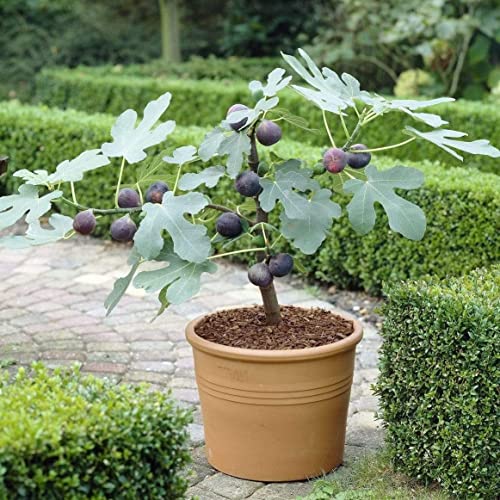
Grow your own fruit
There’s nothing quite like picking your own apples or a bowl of warm strawberries. Fruit trees and bushes are long-lived, often very decorative with their spring flowers, and many modern varieties are bred to crop well in small gardens and pots. Once established they need little more than a feed, some pruning and a bit of water in dry spells.
The best fruit trees for UK gardens
Apple trees
The most reliable fruit tree for British gardens. ‘Discovery’ gives crisp early apples in August, ‘Egremont Russet’ and ‘Cox’s Orange Pippin’ are classic flavours, and ‘Scrumptious’ is a self-fertile choice that crops on its own. ‘Bramley’ is the cooking apple everyone knows.
Pear trees
‘Conference’ is the easiest pear to grow, cropping well even without a partner, and ‘Concorde’ is a compact, reliable alternative.
Plum trees
‘Victoria’ is the classic self-fertile plum, heavy cropping and sweet when ripe.
Cherry trees
‘Stella’ is a self-fertile sweet cherry, and ‘Morello’ is a sour cherry for cooking that even fruits on a shady wall. Net cherry trees in summer or the birds will beat you to them.
Fig trees
‘Brown Turkey’ is hardy in most of the UK and fruits best against a sunny wall, with its roots restricted in a large pot or planting pit.
Fruit trees for small gardens and patios
You don’t need an orchard. The rootstock a tree is grafted onto controls its final size. For apples, M27 is very dwarfing and M9 is dwarfing, both ideal for pots and small borders, while M26 and MM106 give larger trees. Columnar varieties like the Ballerina apple grow as a single upright stem, which makes them perfect for a patio.
Which fruit tree shape should I choose?
- Bush trees have a short trunk and open head, the easiest shape for most gardens.
- Cordons are single stems grown at an angle, so you can fit several varieties along a fence.
- Espaliers have tiers of horizontal branches trained flat against a wall or wires. An espalier apple or pear is both productive and decorative.
- Fans suit cherries, plums, peaches and figs on a warm wall.
- Stepovers are low, single-tier espaliers that make a lovely edge to a veg bed.
Pollination: do you need two trees?
Many apples, pears and cherries need a pollination partner of a different variety flowering at the same time nearby. Self-fertile varieties, such as ‘Victoria’ plum, ‘Stella’ cherry and ‘Scrumptious’ apple, crop on their own. In towns, neighbours’ trees and crab apples (Malus) often do the job.
Soft fruit and fruit bushes
Soft fruit gives a quicker harvest than trees. Strawberry plants crop in their first summer and grow happily in pots, grow bags and hanging baskets. Blueberry bushes need acid soil or ericaceous compost but are ideal for patio pots. Raspberries, blackberries and currants are easy and productive, and patio varieties are now widely available.
Bare-root or pot-grown fruit trees?
Bare-root trees are dug up while dormant and sold from November to March. They’re cheaper, there’s a wider choice of varieties, and they establish quickly. Pot-grown trees cost a little more but can be planted almost any time of year, which makes them handy if you miss the bare-root season. Whichever you buy, check the age of the tree and the rootstock before you order.
Planting and care
Plant fruit trees and bushes in a sunny, sheltered spot. Stake young trees to keep them steady in wind. Water well in the first year and mulch every spring with compost. Prune apples and pears in winter, but prune plums and cherries in summer to reduce the risk of silver leaf disease.
Frequently asked questions
What’s the best month to plant fruit trees?
November and December are ideal for bare-root trees, while the soil is still slightly warm, though you can plant until March as long as the ground isn’t frozen or waterlogged. Pot-grown trees can go in at almost any time.
Are fruit trees better in pots or in the ground?
In the ground, trees grow bigger, need less watering and crop more heavily. Pots suit trees on dwarfing rootstocks and patio varieties, and are the answer if you only have a patio, but they need regular watering and feeding.
What is the easiest fruit tree to grow?
A self-fertile apple or ‘Victoria’ plum on a semi-dwarfing rootstock is hard to beat for beginners, and ‘Conference’ pear is very reliable too.
Can I grow a fruit tree in a pot?
Yes. Choose a dwarf or patio variety, a container at least 45 to 50cm wide and loam-based compost, and water regularly in summer.
How long until a fruit tree produces fruit?
Most potted trees aged two or three years will start cropping within one to three years of planting.