Perennial Plants
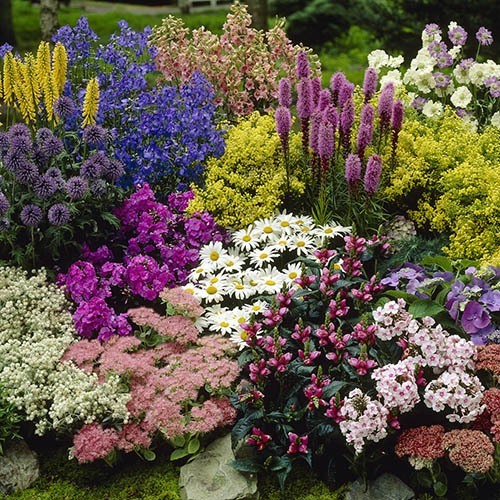
Plant them once and enjoy them for years. Hardy perennials for sunny borders, shady corners and cottage-style planting.
-

GardenersDream Matteuccia struthiopteris ‘Ostrich Fern’ Plant in Pot
£10.49 -
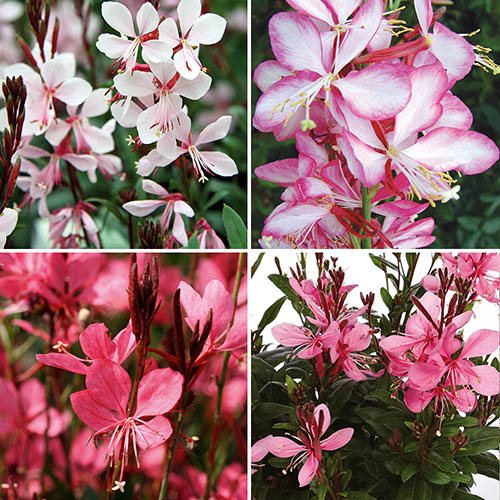
Gaura Gambit Collection x 10 Plugs
£7.49 -
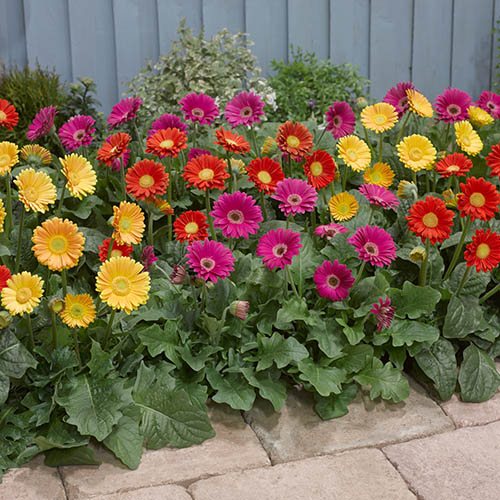
Gerbera Garvinea Sweet Series
£9.99 -

GreenBrokers Butterfly & Bee Collection Bulbs
£11.21 -
GrowOn Shrubs [x3] Scottish Heather Calluna Vulgaris ‘Dark Beauty’
£12.49 -
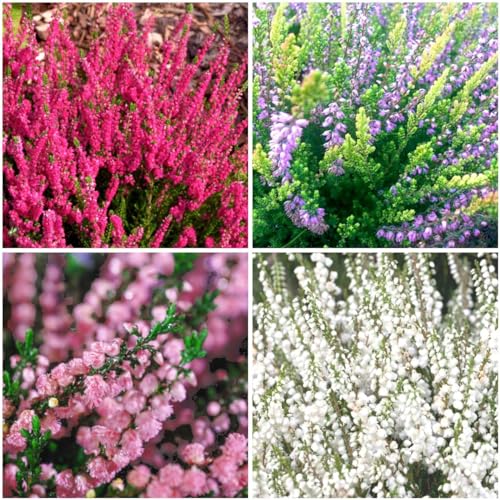
GrowOn Shrubs [x4] Scottish Heather Calluna Collection
£14.99 -
Hardy Geranium sanguineum ‘Vision Light Pink’ x 3 Plug Plants
£14.99 -

Hardy Geranium sanguineum ‘Vision Violet’ x 3 Large Plug Plants
£14.99 -
Hardy Perennial Plant Lucky Dip
£19.99 -
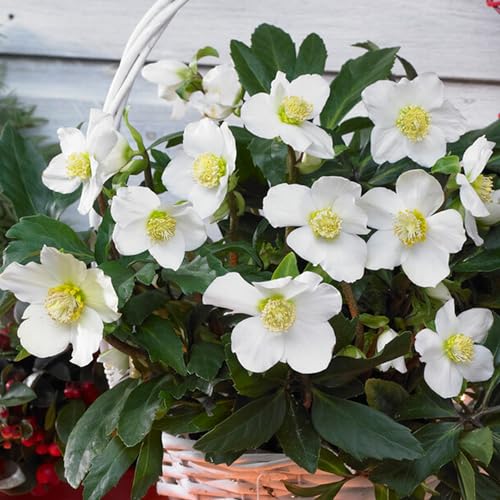
Helleborus Niger
£12.99 -

Helleborus Orientalis Mixed Perennial Large Plug Plants Pack x3
£10.99 -
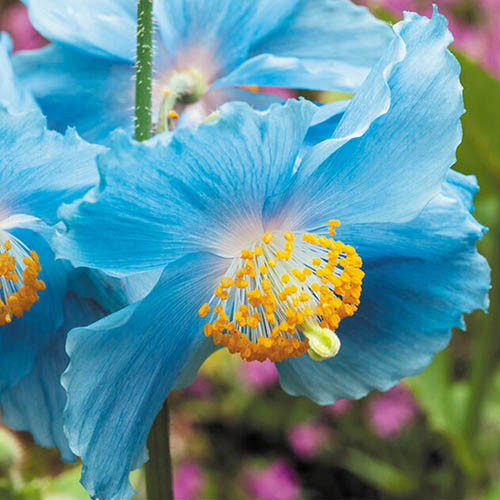
Himalayan Blue Poppy
£19.97 -
Lavender Angustifolia Fragrant Garden Plants for Borders Pots
£16.99 -
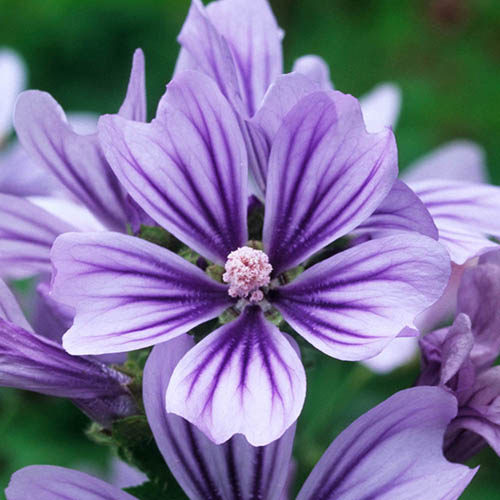
Mallow Malva sylvestris Primley Blue
£19.97 -
Meredith Nurseries 12 Mixed Heathers CALLUNA & Erica Varieties
£28.99 -

Meredith Nurseries 6 Mixed Heather Plants in 9cm Pots
£18.99









What are perennial plants?
Perennial plants live for more than two years. Most hardy perennials die back to the ground in autumn, rest over winter, then shoot up again in spring, often a little bigger each year. That’s what makes them such good value: plant once and they keep coming back. Some, like hellebores and many hardy geraniums, keep their leaves through winter too.
Compare that with annuals, which flower, set seed and die in a single year, and biennials such as foxgloves and wallflowers, which take two years to flower.
Our favourite hardy perennials
- Hardy geraniums are almost indestructible, flower for months and cope with sun or part shade.
- Salvias bring long-lasting colour and are loved by bees.
- Sedums such as ‘Autumn Joy’ give late colour and need very little water.
- Verbena bonariensis adds height and movement without blocking the view.
- Hellebores flower in late winter when little else does.
How to plant perennials
You can plant potted perennials in spring or autumn. Autumn is often better because the soil is warm and moist, so roots establish before the following summer. Plant in groups of three or five of the same variety rather than dotting single plants around; it looks far more natural. Give each plant room to spread, roughly 30 to 45cm apart for most border perennials, and water well until settled.
Perennial plug plants are a cheaper way to fill a border. Pot them on into 9cm pots when they arrive and grow them in a sheltered spot for a few weeks before planting out.
Looking after perennials through the year
Cut back faded flowers to encourage more blooms. In autumn you can either tidy plants down or leave the seed heads standing for birds and insects, then cut back in late winter. Every three or four years, lift and divide large clumps in spring or autumn to keep them vigorous. It’s also a free way to get more plants. A spring feed with a general plant food and a mulch of compost will keep them flowering well.
Frequently asked questions
Do perennial plants come back every year?
Yes. Hardy perennials die back in winter and regrow from the roots each spring, usually getting bigger and flowering more as they establish.
When should I plant perennials in the UK?
Spring and autumn are both good. Autumn planting, from September to November, gives roots a head start while the soil is still warm.
What is the difference between perennials and biennials?
Perennials live and flower for several years. Biennials grow leaves in their first year, flower in their second, then die.
Which perennials flower all summer?
Hardy geraniums such as ‘Rozanne’, salvias, gaura and verbena bonariensis are known for flowering from early summer well into autumn.