Pruning Tools & Secateurs
Bypass and anvil secateurs, telescopic loppers and hedge shears for clean, easy pruning.

-

Set of 5 Gardening Tools, Shovel, Fork, Rake, Hoe, Edging Spade
£37.98 -
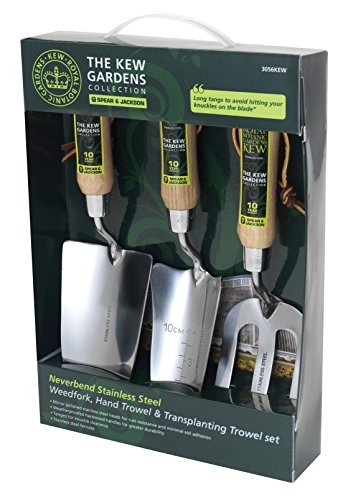
Spear & Jackson 3056KEW Kew Gardens Neverbend Stainless 3 Piece Gift
Original price was: £24.95.£18.95Current price is: £18.95. -
Spear & Jackson 4171KEW Kew Gardens Collection Medium Bypass Secateurs
Original price was: £8.73.£5.90Current price is: £5.90. -
Spear & Jackson 7159BS Razorsharp Advantage Bypass Secateurs
Original price was: £10.95.£8.95Current price is: £8.95. -
Spear & Jackson 8100RS Razorsharp Ratchet Telescopic Anvil Lopper
Original price was: £23.47.£22.32Current price is: £22.32. -

Spear & Jackson 8110RS Razorsharp Notched Hedge Shears
£16.39 -
Spear & Jackson 8290RS Razorsharp Advance Heavy Duty Telescopic Ratchet
Original price was: £32.71.£27.90Current price is: £27.90. -
Spear & Jackson CUTTINGSET3K Kew Gardens Collection Adjustable Width
Original price was: £19.25.£13.95Current price is: £13.95. -
Terratek 20V Cordless Hedge Trimmer Pole Long Reach X2 Batteries
Original price was: £84.99.£67.96Current price is: £67.96. -
VonHaus Pole Hedge Trimmer Cordless 20V
Original price was: £99.99.£79.99Current price is: £79.99. -
VOTREK Bypass Garden Secateurs, Heavy Duty Pruning Shears with Soft Grip
Original price was: £12.99.£11.04Current price is: £11.04.



Choosing secateurs
Secateurs are probably the most used tool in any garden. You’ll use them for deadheading, pruning roses and shrubs, cutting back perennials and harvesting fruit and flowers. A good pair makes clean cuts that heal quickly, and that keeps plants healthy. Pick a pair that suits your hand size, with comfortable, ergonomic handles and a spring that isn’t too stiff. Left-handed models are available too.
Types of secateurs: bypass, anvil and ratchet
| Type | How it cuts | Best for |
|---|---|---|
| Bypass secateurs | Two curved blades pass like scissors | Green, living stems; roses, shrubs and deadheading |
| Anvil secateurs | A straight blade closes onto a flat edge | Dead or dry wood; tough woody stems |
| Ratchet secateurs | Cut in stages for extra power | Smaller hands, weaker grip or thicker stems |
Most gardeners are best served by a good pair of bypass secateurs for everyday pruning, with an anvil pair kept for hard, dead wood.
Blades and build quality
Carbon steel blades take a very sharp edge and are easy to resharpen, while stainless steel resists rust with less care. Look for a solid pivot bolt you can tighten and blades you can replace, as that’s what makes a pair last for years rather than one season.
Secateurs vs snips
Snips are small, scissor-like cutters with fine, pointed blades. They’re perfect for deadheading, trimming herbs, cutting flowers for the house and tidying soft growth, but they aren’t designed for woody stems. Use secateurs for anything with bark on it.
Loppers and hedge shears
Loppers have long handles for extra leverage and reach, ideal for branches up to around 3 to 5cm thick. Telescopic loppers let you reach higher branches. Hedge shears are for trimming hedges and shaping box and other evergreens. Notched blades help grip thicker stems.
How to use secateurs properly
- Cut just above an outward-facing bud, about 5mm above it, with a slight slope away from the bud so water runs off.
- Keep the cutting blade on the side of the stem you’re keeping, so any bruising is on the piece you remove.
- Cut in one smooth movement and never twist the secateurs to force a cut.
- If a branch is too thick to cut easily, switch to loppers or a pruning saw.
Keeping your blades sharp and clean
Sharp blades make cleaner cuts and need less effort. Wipe blades after use, and sharpen them with a small whetstone or diamond file a couple of times a year. A drop of oil on the spring and pivot keeps them working smoothly. Brands such as Felco, Spear & Jackson and Fiskars sell replacement parts for many models, which extends the life of a good pair.
Our pruning tool picks
We list secateurs, loppers and shears from long-established garden tool brands with good feedback, from budget-friendly everyday pairs to premium models built for heavy use. Check the current price on each listing. For more on getting started, see our guide to garden tools for beginners or browse all garden tools.
Frequently asked questions
What are the best secateurs to buy?
For most gardeners, a mid-range pair of bypass secateurs from an established brand is the best buy. Choose one that fits your hand, has replaceable blades and feels comfortable to use for an hour of pruning.
What is the best brand for secateurs?
Felco is widely regarded as the benchmark for durability and spare parts, while Kent & Stowe, Spear & Jackson, Fiskars, Wilkinson Sword and Burgon & Ball all make reliable pairs at lower prices.
Are Felco secateurs worth the money?
If you prune a lot, usually yes. They’re built to be serviced, with replacement blades, springs and bolts, so a pair can last decades. For occasional use, a cheaper bypass pair will do the job.
What secateurs do professional gardeners use?
Many professionals use heavy-duty bypass secateurs from brands such as Felco or Japanese makers, because they stay sharp and can be repaired rather than replaced.
What is the difference between pruners and secateurs?
Nothing really. Pruners is the American name for secateurs, and you’ll see both used for the same tool.
What is the maximum thickness secateurs can cut?
Most secateurs cope with stems up to about 2cm. Use loppers or a pruning saw for anything thicker.
Should I disinfect secateurs between plants?
It’s a good habit when you’re cutting out diseased growth. Wipe the blades with a disinfectant or surgical spirit between plants so you don’t spread problems such as canker.
How do I sharpen secateurs and snips?
Clean the blade, then draw a whetstone or diamond file along the bevelled edge at the same angle a few times, and finish with a drop of oil.